Work is dignified, but what happens when kids enter too early?
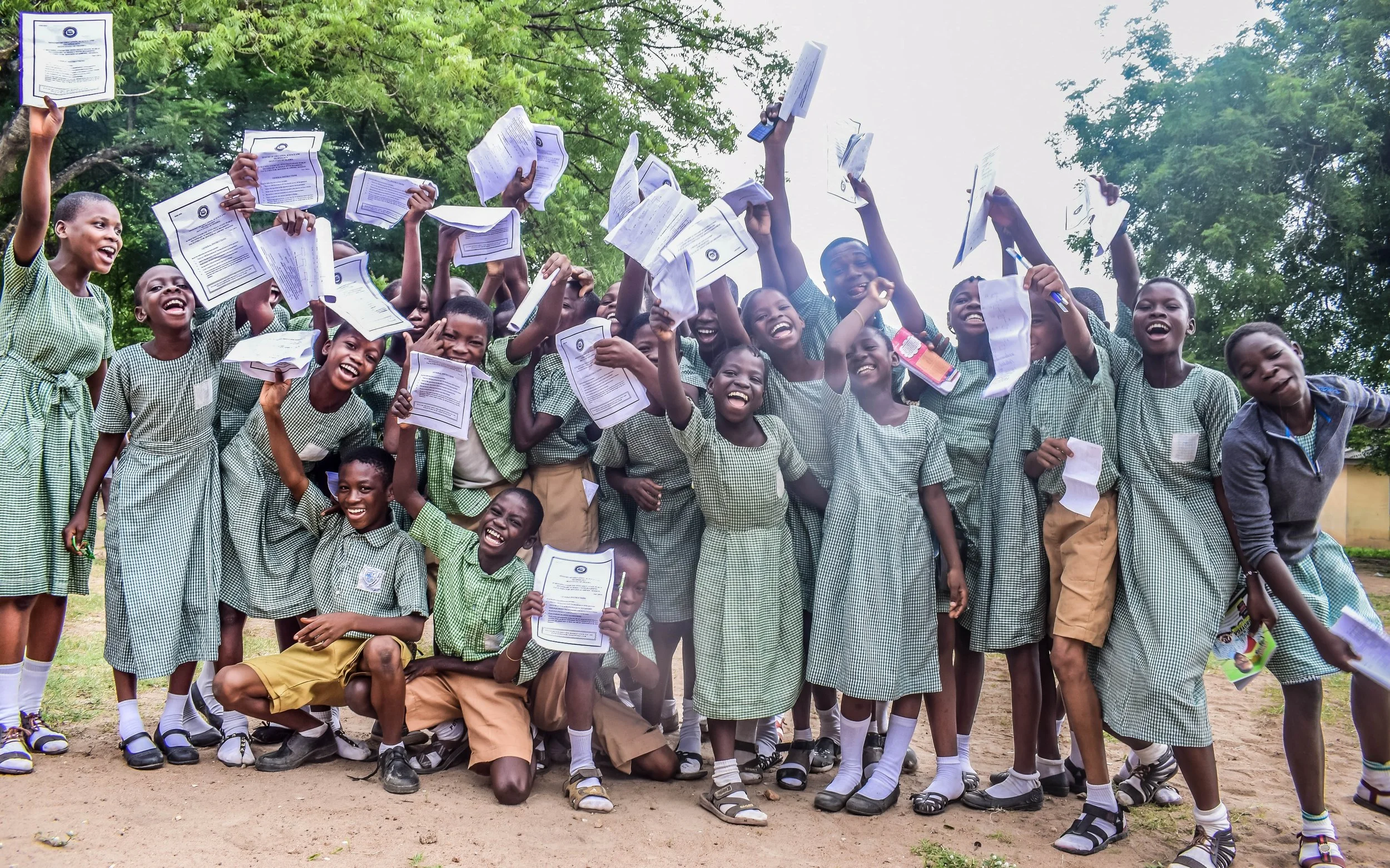
A few months ago, my former pupils sat for their WAEC exams. After their last paper, I got a message from them asking me to join a WhatsApp group. It's hard to believe it's been 6 years since they graduated from primary school. How time flies!
When we founded Sharing Life Africa in 2019, one of our primary goals was to build a structure that preserved the relationships and impact we had cultivated in the communities in Abeokuta, with the local government, schools, teachers, local leaders and communities – to continue our work ensuring young people in the community had access to the opportunities, skills to create a future for themselves.
We sponsored kids in the communities into some of the best secondary schools in the state, built libraries, launched mentoring programmes, implemented menstrual hygiene projects for girls, and provided mothers with funding and mentorship for their small businesses.
But towards the end of 2025, we began noticing patterns in where these kids were ending up.
We see them taking gruelling overnight factory jobs, working as fuel station attendants, or trading by the roadside.
Work is dignified, but not when a child's labour is required for a family's survival.
e cannot help but imagine how different their lives would look if they came from families with even a small financial cushion. Adijat or Bola would likely be writing books, their proud parents sharing achievements on Facebook. Timileyin or Sunday would be learning to code in their free time, dreaming of great schools and building something of their own.
But they are not from families with means. And sadly, it's not just who you are or how talented you are that matters. Where you come from is defining – and we have to change that!
So, this year, we're trying to answer a question, and we would love to hear your opinion about it.
What can be done to give a kid like this a real chance?
We're currently designing a new programme in collaboration with the community to bridge this gap and will keep you in the loop as we progress.
We look forward to receiving your thoughts.
A woman's story of resilience
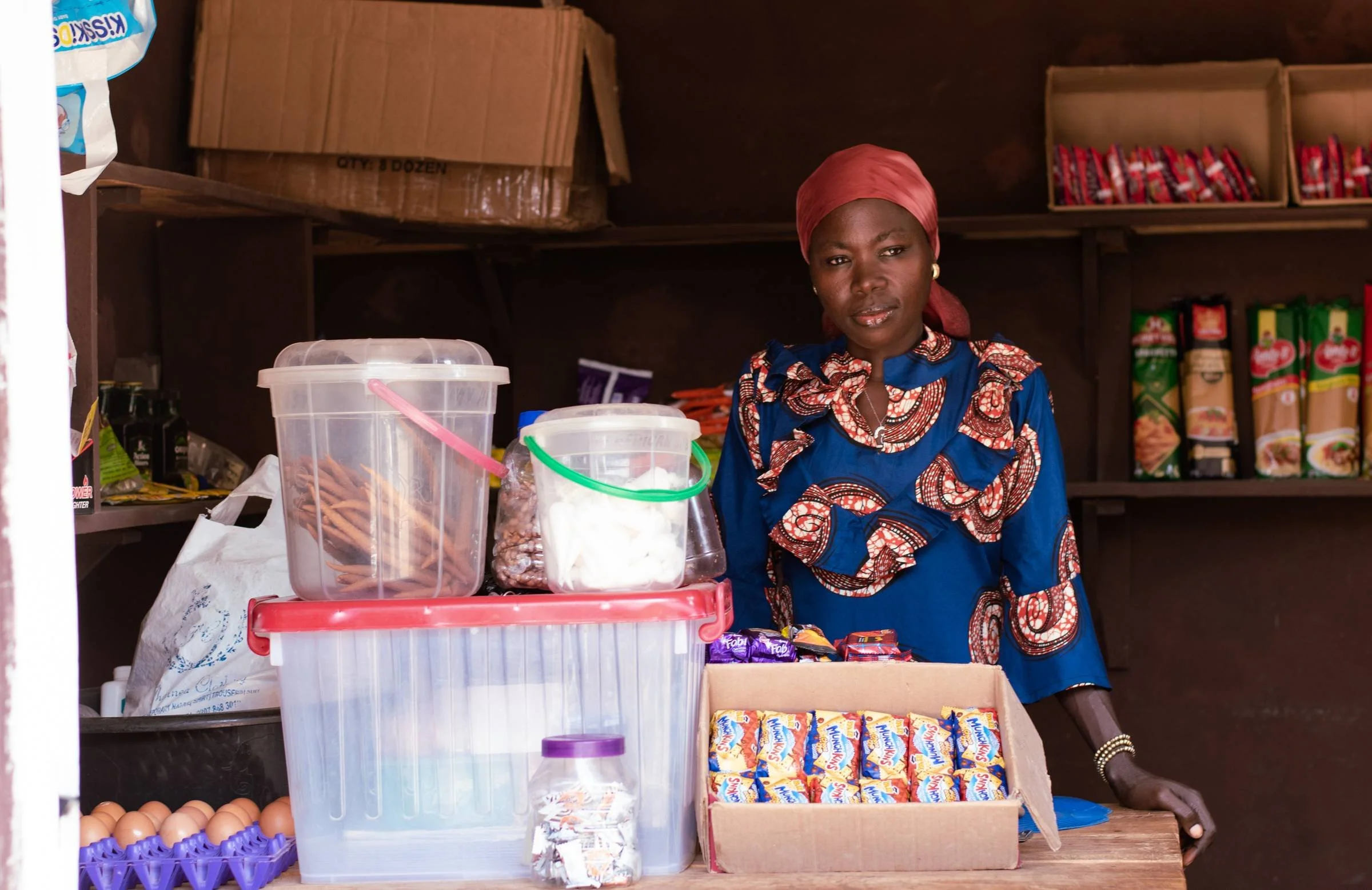
Meet Mrs. Olabode Rabiat
Mrs. Olabode, like every other mother, started her business so she could provide for her family.
When she started out, she sought capital from loan companies around. But for her, the loan cost more than she bargained for, as interest piled up more quickly than she could imagine.
She shared with us how overwhelming it was for her to keep up with clearing the capital and paying down the additional debt from interest.
In her words:
“I was struggling to pay back the capital, yet the interest kept piling up. It was stressful and overwhelming.”
With funding from the programme, she could do more for herself, her business and her family. When we met with her a few months back, during one of our regular check-ins, we were delighted to hear a very different story.
“The funds and support gave me rest of mind and allowed me to breathe again. I was able to save and cater for my family’s needs without the load of thousands of naira of interest payments that weigh on my shoulders alone.”
Nothing gives us so much joy as witnessing these transformations.
I've been doing this work for so long now, but still feel the shiver through my spine anytime I hear these stories!
As always, thank you for being part of this.