

What we did when Covid19 hit!
The virus was not the problem at the beginning. The danger was ignorance amplified by misinformation and myths. So many believed we were immune as Africans, that our weather and terrain was impervious to Covid19. In low-income communities, these beliefs were accelerated. For example, they believed the constant consumption of alcoholic liquor cured coronavirus.
When Nigeria recorded its index case on 27th February 2020, we knew we had to create a health education outreach to dispel the misinformation, empower the communities with the knowledge to practice good sanitary hygiene and distribute free alcohol-based hand sanitizers.
This wasn’t just another project for us, these were communities we’ve worked with for more than two years now. I’ve taught their children in my classroom, raised funds for businesses in the community, sat in their homes and discussed the future together — we had a responsibility to keep everyone safe.
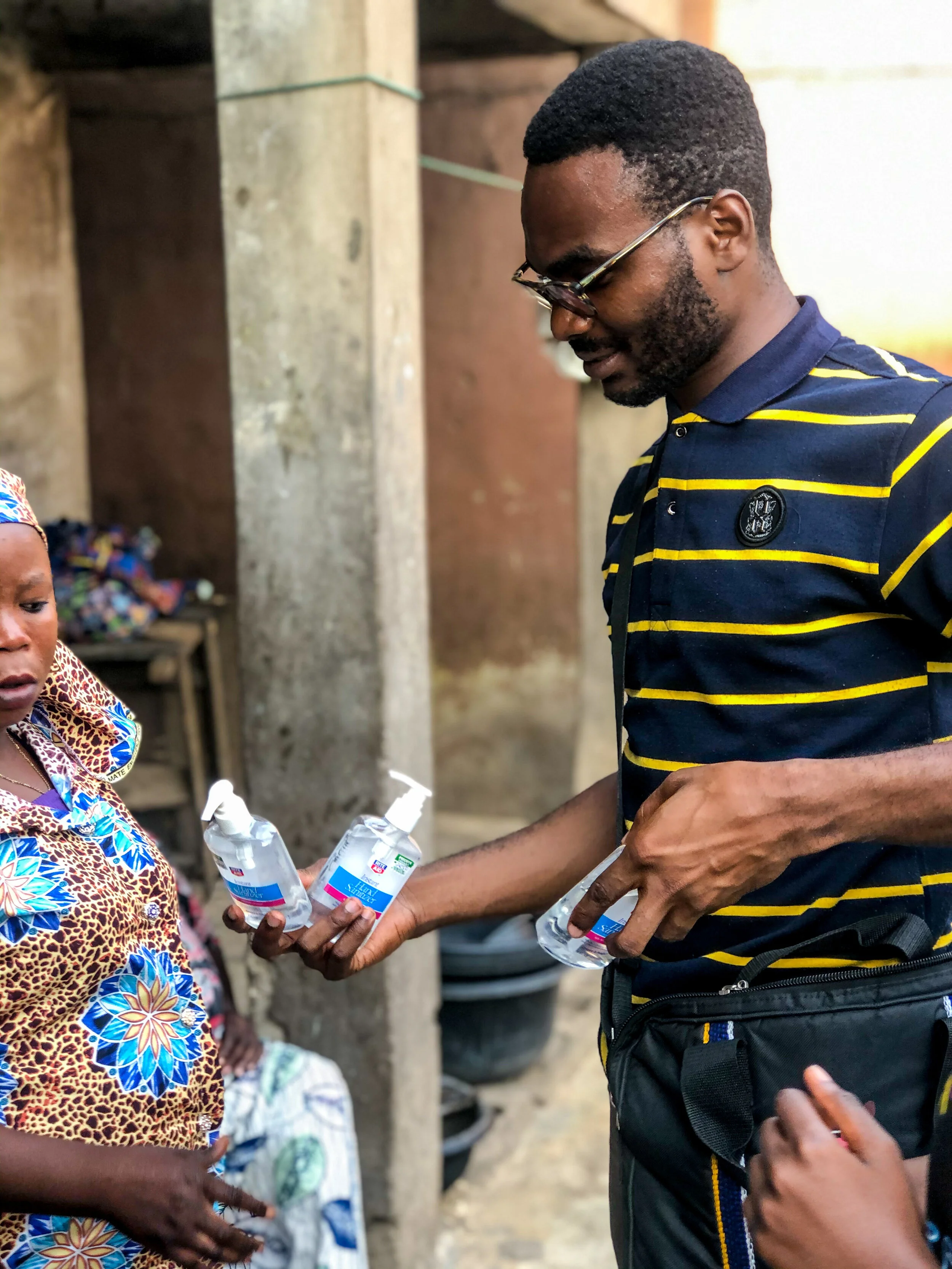
The first few weeks following the index case there were no strong local guidelines on how communities and individuals should conduct themselves in an age of Covid19. On our team, we had an educator and public health official, Dayo Aderenle, who adapted the WHO safety guidelines to our local context.
There was a strong need to adapt all the information coming into our local contexts. For example, most guides carried the messaging:
“Regularly wash your hands with soap and running water to protect against coronavirus (COVID-19)” — UNICEF
But the families here have no running water. Every morning the children have to go fetch water from the community well that is often barely enough for the entire family. So a messaging with the phrase “running water” held little meaning for the community.
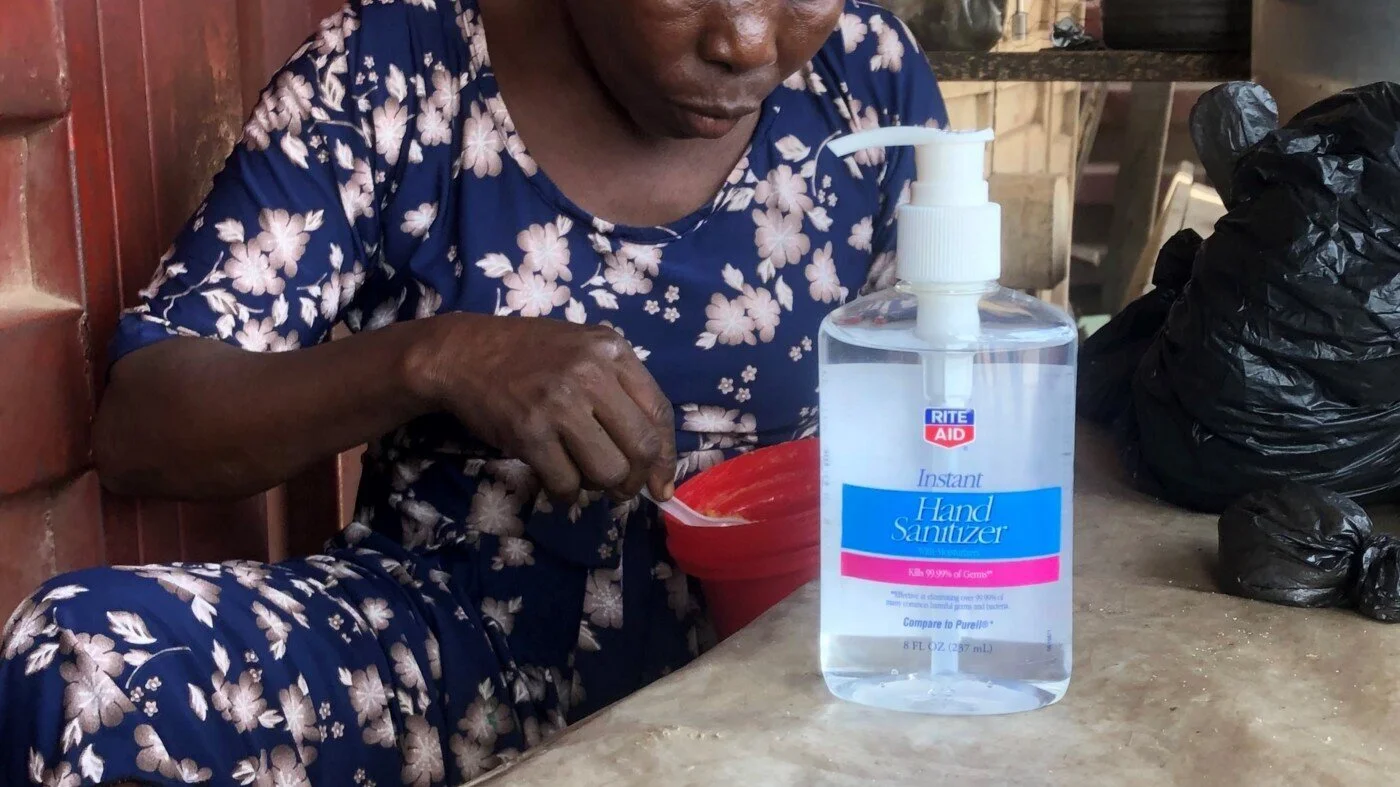
At Sharing Life Africa, we decided to distribute free alcohol-based hand sanitizers to the families for free, while empowering them with the right information.
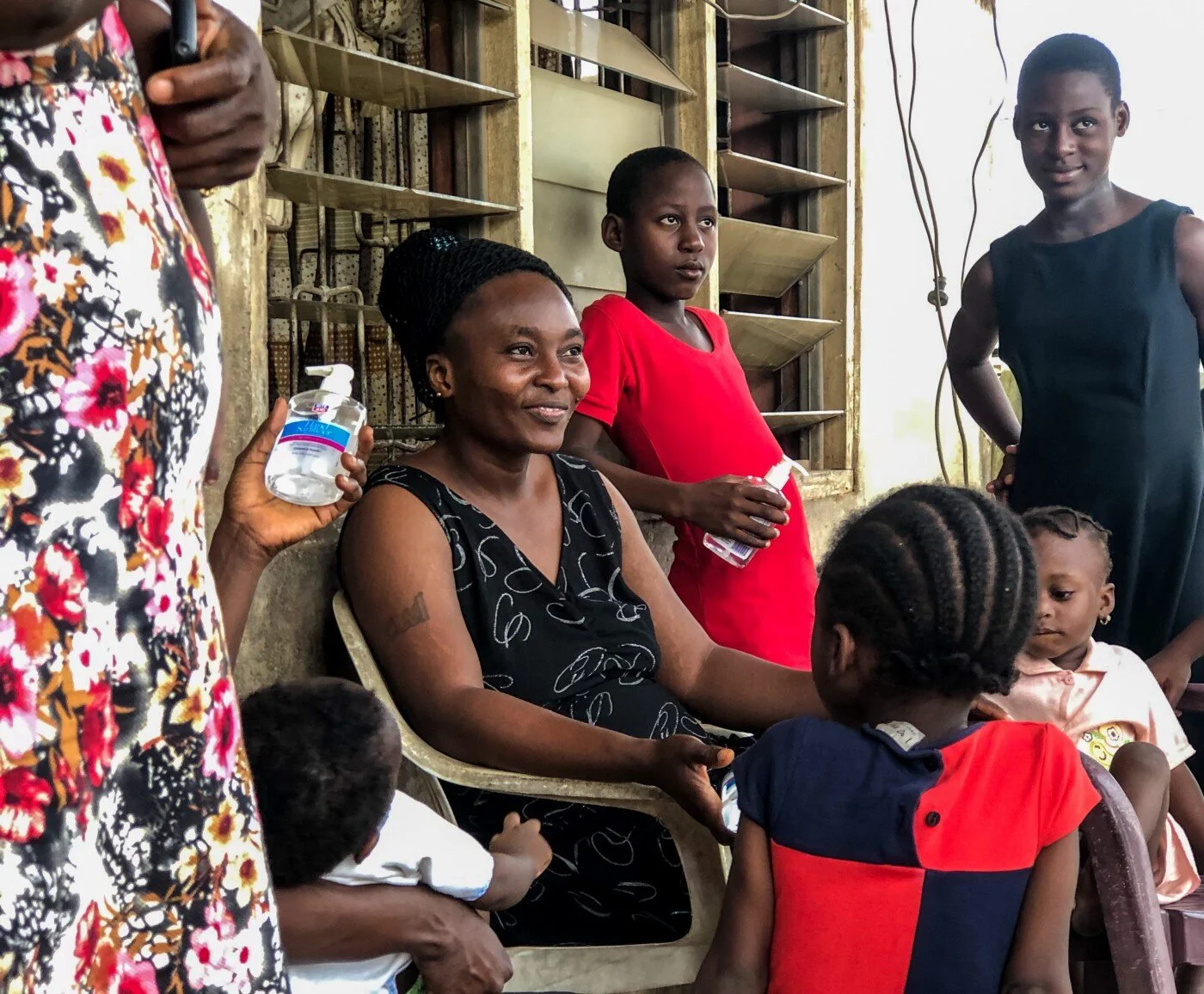
To follow the social distancing guidelines, we leveraged the way of life of the communities to make our impact. The people here live in clusters of 10 families in a compound. So all we had to do was visit a compound and meet with all ten families in the courtyard at the back. There, we sensitized them about the novel coronavirus, and also answered their questions.
Our program was not limited to just homes — to reach more people and activate the power of ripple effect, we also met the owners of roadside restaurants that cater to about 1000 individuals per day. Equipped with the right information and hand sanitizers they kept themselves and the customers safe while spreading awareness about covid19.
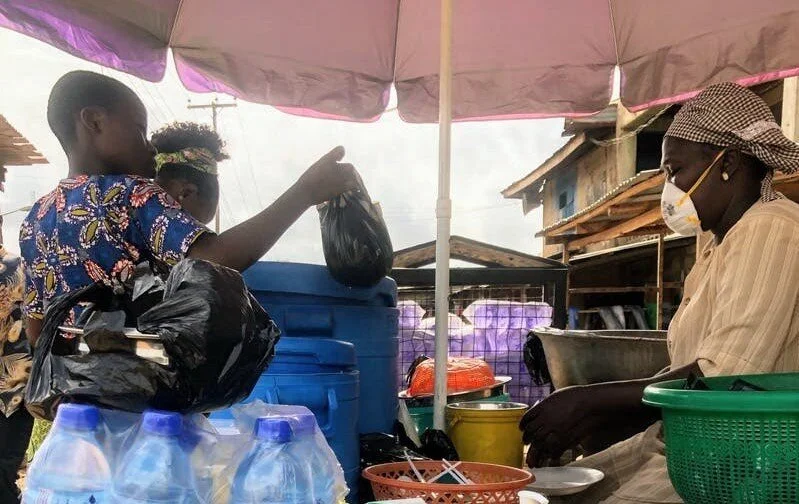
We didn’t stop at roadside restaurants. In communities without electricity, there’s always a central spot where phones, batteries, torchlight are charged on a daily basis. We also educated the men who run these shops and handed free sanitizers to them.
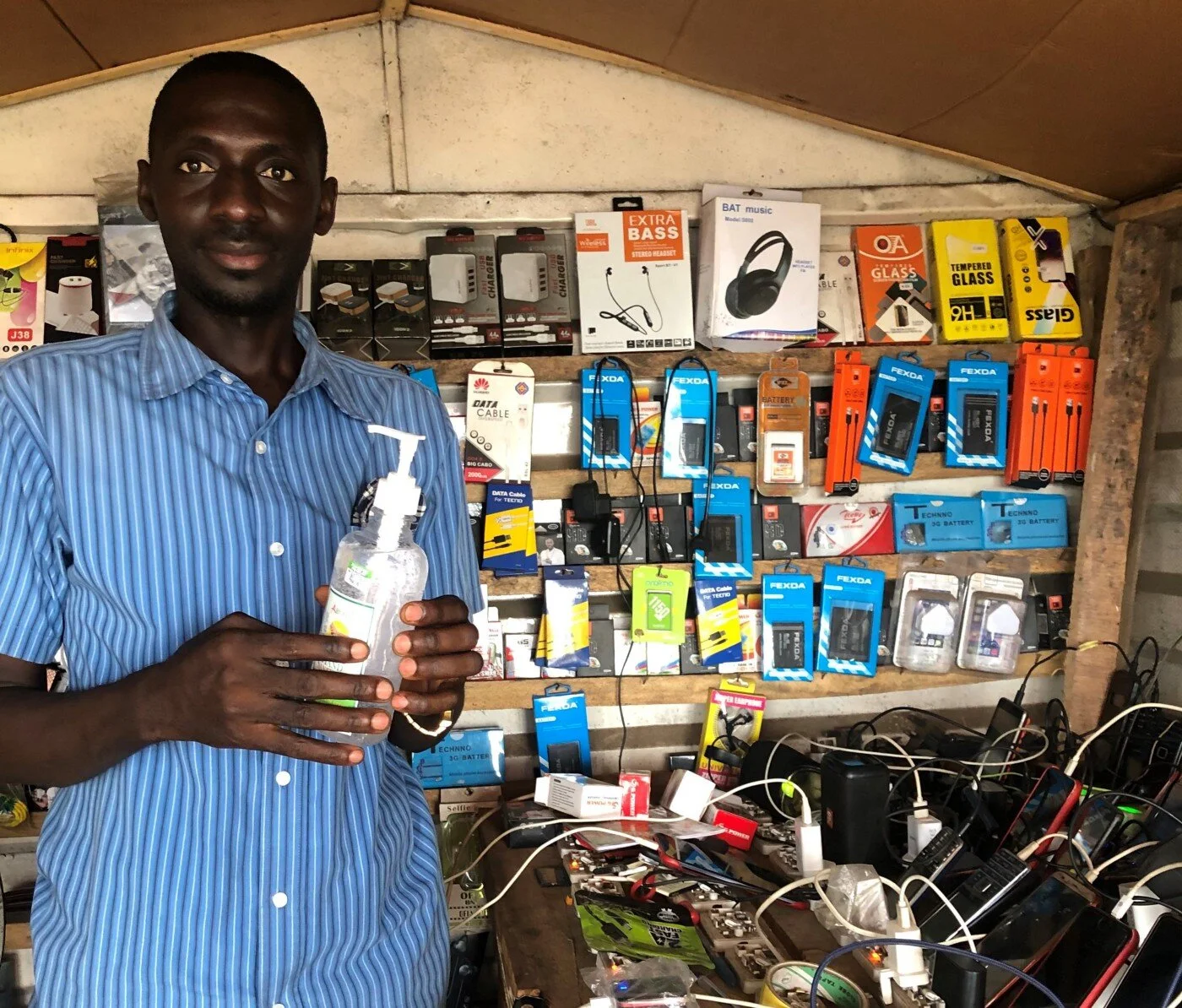
Because of the action & initiative the Sharing Life Africa team took, whole communities are safe because they have the knowledge to keep themselves and their families safe.